

This article may contain affiliate links. We may earn a commission if you book or purchase through them, at no extra cost to you.
If you are trying to figure out the best time to visit Turkey, there is no perfect month for every Turkey trip.
I know that sounds a little vague, but it is the honest answer. Turkey is too varied for one simple calendar rule. A date that feels comfortable in Istanbul may feel hot in Ephesus. A month that is good for the beach may not be the best choice for Cappadocia valleys or long days around ancient sites.
So the better question is not only “When should I visit Turkey?”
It is also:
Where are you going?
How much walking will your trip include?
Do you want beaches, history, food, landscapes, or a little of everything?
And how do you feel about heat, crowds, rain, and prices?
For most travelers, spring and autumn are the easiest seasons to plan around. They do not guarantee perfect weather, but they usually make the trip feel smoother.
Quick Answer
For many Turkey trips, the best time to visit is April to June or September to November, depending on your route.
If you are planning a classic itinerary with Istanbul, Cappadocia, Ephesus, and Pamukkale, I would first look at April, May, September, or October. These months are usually easier for walking, sightseeing, and moving between different regions.
For November, you need a more careful answer. November is not a beach month, and the weather can be less predictable. Cold, windy, rainy. But it can still be a good time for Istanbul, Ephesus, Pamukkale, museums, food-focused trips, and slower cultural travel.
Summer is best for the coast. Winter can be quieter and sometimes more affordable, but your plans may be interrupted due to weather conditions. But if this is your first multi-region trip to Turkey, spring or autumn will usually be easier to manage.
A Better Way to Think About Timing
When people ask about the best time to visit Turkey, they often think only about temperature.
That is part of it, of course. But temperature is not the whole story.
Weather changes the pace of the day. This is especially true in Turkey because many important places are outdoors. Ephesus, Pamukkale, Perge, Aspendos, Aphrodisias, and parts of Cappadocia all involve walking, open spaces, and limited shade.
A route may look simple on a map. But if most of the walking happens around midday in July or August, the same route can feel much heavier than expected.
There is also a difference between beach weather and sightseeing weather.
July may be great if your plan is swimming, boat trips, and long evenings by the sea. But it may not be the most comfortable month for ancient cities. November may not be right for a beach holiday, but it can be very reasonable for museums, food, city walks, and cultural routes.
This is why I would not choose travel dates based solely on one average temperature chart. First, you should look at your route. Then look at the season.
Spring: April to June
Spring is probably the season I would check first for a nice, balanced, stress free Turkey trip.
April, May, and June can work well for most people. If you want to visit a mix of cities, explore ancient ruins and landscapes, and maybe take some coastal time, spring is the first option to consider. The days are longer and warmer but not really hot like summer. Walking-heavy sightseeing feels easier than it does in peak summer.
This is a good time to visit Istanbul, Cappadocia, Ephesus, Pamukkale, Izmir, Kusadasi, Antalya, Eastern Turkey, and many classic routes.
May is especially practical. It is often warm enough to enjoy being outside, but not usually as tiring as July or August.
Still, May is not guaranteed summer weather. It is cooler, windier, or wetter than people expect some years. Especially in Istanbul, Cappadocia, or inland areas, it may be colder and less predictable compared to the western and southern parts of the country. It is better to pack with flexibility. Keep in mind that it is not a good idea to assume every day will be sunny and warm in May.
June is a bit different. Early June can be excellent. By late June, western and southern Turkey may already feel hot. It is still usually easier than July and August, but you should start thinking about timing your outdoor visits more carefully.
Summer: July to August
I would not tell someone to avoid Turkey in summer. I would just tell them to plan the day differently.
Summer is a strong season for the coast. Antalya, Bodrum, Fethiye, Kusadasi, Cesme, Alacati, and many seaside towns are lively. The sea is warm, evenings are pleasant, and beach towns are in full season.
But sightseeing is another story.
Places like Ephesus, Pamukkale, Perge, Aspendos, and Aphrodisias can feel very hot in July and August. The issue is not only the number on the weather app. It is how the day feels when you are walking on stone streets, standing in open areas, and trying to enjoy history with very little shade.
If you travel in summer, start early when you can. Keep the middle of the day lighter. Drink water. Do not fill every day with long outdoor visits.
In some summer periods, major archaeological sites may have extended hours or evening visit options. This can help, especially for places where daytime heat is difficult. But do not build your plan around this without checking the official museum hours first. These details can change by site and by year.
Summer itineraries must consider the heat if they are going to work well.
Autumn: September to November
Autumn is one of the most useful seasons for Turkey.
September still feels warm in many places. On the Aegean and Mediterranean coasts, the sea can still be pleasant. If you want both sightseeing and a little coastal feeling, September is often a strong choice.
October is usually one of the easiest months for cultural travel. Istanbul is better for walking. Cappadocia is more comfortable for valleys and viewpoints. Ephesus and Pamukkale are usually less tiring than they are in high summer.
November is quieter and cooler. It is also less predictable.
I would think of November as a culture month, not a beach month. It can work well for Istanbul, Ephesus, Pamukkale, museums, food, history, and slower trips. It is not the month I would choose if the main dream is swimming and sunny beach days.
For many travelers, autumn feels better than summer simply because the day does not need to revolve around heat.
Winter: December to March
Winter in Turkey is not one thing.
Istanbul can still be visited. The city may be cold, rainy, windy, or grey, but museums, mosques, bazaars, restaurants, cafes, and neighborhoods are still part of daily life. If you like slower city travel, winter can work.
Cappadocia can be beautiful in winter, especially with snow. But it is cold, and outdoor plans depend more on the weather. Balloon flights can be canceled in any season, but in winter you need a little more patience.
The coast is quieter. Some towns feel peaceful. Others may feel too sleepy outside the main season.
Eastern Turkey needs more care in winter. Distances are longer, and weather can affect road travel more seriously than on classic western routes.
Winter can be a good choice for flexible travelers who prefer fewer crowds and do not mind changing plans. For a first big Turkey itinerary with several regions, I would usually choose spring or autumn instead.
Best Time to Visit Istanbul
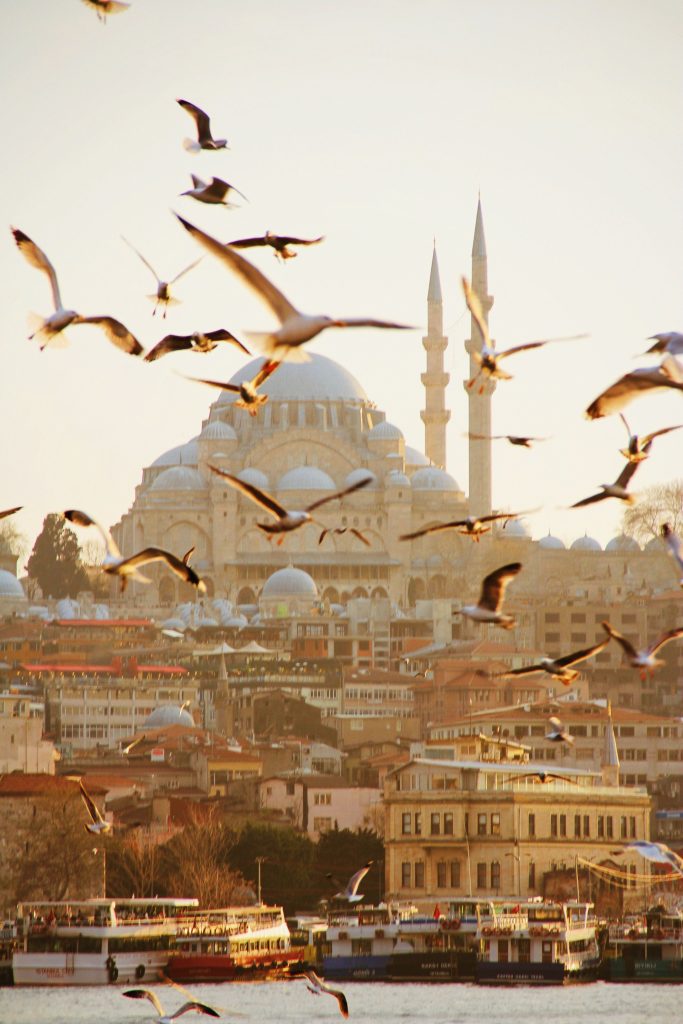
The best time to visit Istanbul is usually April to June and September to November.
Istanbul is a city where you walk more than you think. Even if you use trams, ferries, taxis, or the metro, you still move between neighborhoods, mosques, museums, markets, ferry ports, and restaurants.
Mild weather makes the city easier.
Summer can be enjoyable, but it may feel humid and busy. Winter can also be good if your plans are flexible and you enjoy museums, food, cafes, and slower city days. Just be ready for rain and wind.
Best Time to Visit Cappadocia
For Cappadocia, I would first look at April to June and September to October.
Cappadocia is not only about hot air balloons. Valleys, viewpoints, underground cities, open-air museums, sunrise spots, and small towns are all part of the trip. Much of the experience happens outside, so the weather matters.
Winter can be very atmospheric, especially with snow. But it is colder and more weather-dependent. If a balloon flight is important to you, give yourself some flexibility rather than planning everything around one single morning.
Best Time to Visit Selcuk and Ephesus
Selcuk and Ephesus are usually best in April to June and September to November.
Ephesus is an open ancient city. There are marble streets, wide exposed areas, and limited shade. In July and August, the heat can make the visit feel much longer than it is.
This is one of those places where timing really matters.
If you visit in summer, go early if possible. That is not just a small comfort tip. It can change the whole experience, especially if you also want to visit the Terrace Houses, St. John Basilica, the Temple of Artemis, or Sirince.
Evening or extended-hour visits may be possible in some periods, depending on the current museum schedule. Check the official hours before you plan around it.
Best Time to Visit Pamukkale
Pamukkale is usually easier in April to June and September to November.
The travertines are beautiful, but the area is bright, open, and exposed. In summer, the midday sun and strong light can make the visit more tiring than people expect.
Early morning or late afternoon usually feels better. Staying overnight can also help, because you are not forced to visit at the busiest and brightest time of day.
Pamukkale is often planned as a quick stop. That can work, but the hour of the day matters more than many travelers realize.
In some periods, Hierapolis and Pamukkale may also be included in evening or night museum programs. If that is available during your dates, it can make summer planning easier. But again, check official information before you go.
Best Time for Antalya and the Mediterranean Coast
For Antalya and the Mediterranean coast, May, June, September, and October are often the most balanced months.
These months are warm enough for coastal travel, but usually easier for sightseeing than July and August. This matters if you want to visit Perge, Aspendos, Side, Termessos, Duden Waterfalls, or old town areas.
If your main plan is the beach, July and August can work. They are hot and busy, but that is also the main summer season.
If you want both sea and culture, June or September may feel easier.
November can still be pleasant for walks, food, old town visits, and slower travel, but I would not choose it for a beach-focused trip.
Best Time for Eastern Turkey
Eastern Turkey is usually easier in May, June, September, and October.
This region needs more planning than the classic Istanbul-Cappadocia-Ephesus-Pamukkale route. Distances are longer, weather changes more sharply, and some routes are affected more by winter conditions.
If your itinerary includes Mardin, Sanliurfa, Gobeklitepe, Mount Nemrut, Lake Van, Kars, Ani, Erzurum, or Diyarbakir, spring and autumn are usually more comfortable.
November can still work for some cultural routes, but check the specific places on your plan before deciding.
Check Turkish Holidays Before Choosing Your Dates
One thing many visitors miss is the effect of Turkish public and religious holidays to .
During long holiday periods, domestic travel increases. Roads can be busier, hotels in popular areas may fill earlier, and flights or intercity buses can become more expensive or harder to book.
This matters if your route includes long drives, airport transfers, coastal towns, or travel between major cities.
You do not need to avoid these dates completely. Just plan earlier and leave more room in the schedule.
Best Time by Travel Style
Classic Turkey Itinerary
For a route with Istanbul, Cappadocia, Ephesus, and Pamukkale, I would first look at April, May, September, or October.
These months work across different regions. You still need a sensible route, but the weather usually makes the trip easier.
If you only have one week or ten days, this becomes even more important. A rushed itinerary gets harder when the weather is too hot, too cold, or too changeable.
Beach Holiday
For beaches, the main season is June to September.
July and August are the hottest and busiest months. Some travelers like that energy. Others prefer June or September because the weather is still warm, but the trip can feel a little softer.
Ancient Sites
For ancient sites, spring and autumn are usually better than peak summer.
This applies to Ephesus, Hierapolis, Aphrodisias, Pergamon, Troy, Perge, Aspendos, and many other open-air places.
You can visit in summer. Many people do. But you should plan the day carefully. Start early, wear comfortable shoes, carry water, and do not underestimate the heat.
Fewer Crowds
If you don’t like the crowds and want to avoid them, look at March, November, the winter months, or the edges of the shoulder season.
The trade-off is weather. You may get quieter places and better prices, but some days may be rainy, colder, or less predictable.
This can be the perfect choice if you prefer slower travel and do not need perfect weather every day.
Better Prices
Winter, late autumn, and early spring can be more affordable than peak summer in some regions.
But I would not choose travel dates only because they are cheaper. A cheaper month is not always better if the weather does not suit your route.
The better question is: does this month fit the trip you actually want?
My Practical Recommendation
If you want the simplest answer, start with May or September.
If your dates are flexible, also look at April and October. These months do not promise perfect weather, but they usually make Turkey easier to plan.
Summer or early autumn can be better if you are planning a beach holiday. For ancient sites and cultural routes, spring and autumn are more comfortable. For museums, food, fewer crowds, and slower travel, winter can also work.
November is useful for cultural travel, but I would not treat it as a beach month.
The best time to visit Turkey is not just about weather. It is about how the trip feels day by day.
Final Thoughts
Turkey can be visited all year. But not every season suits every route.
For most travelers, spring and autumn are the safest choices . Summer is best for the coast, but harder for ancient sites and inland sightseeing. Winter is quieter and sometimes cheaper, but it asks for flexibility.
Before choosing your dates, look at your actual route. A beach holiday, a cultural trip, a cruise stop, a family itinerary, and a fast one-week Turkey route do not need the same season.
That is the most practical way to decide.
FAQ
What is the best month to visit Turkey?
May and September are often the best all-around months for many Turkey trips. They usually work well for Istanbul, Cappadocia, Ephesus, Pamukkale, and coastal routes.
Is July a good time to visit Turkey?
July is good for beach holidays, especially on the Aegean and Mediterranean coasts. It can be very hot for ancient sites and inland sightseeing, so early starts are important.
Is August too hot in Turkey?
August is hot in many parts of Turkey. Coastal trips can still work, but sightseeing-heavy routes may feel tiring if they are not planned around the heat.
What is the best time to visit Istanbul?
The best time to visit Istanbul is usually April to June and September to November.
What is the best time to visit Cappadocia?
The best time to visit Cappadocia is usually April to June and September to October. Winter can also be beautiful, but it is colder and more weather-dependent.
Is November a good time to visit Turkey?
November can be a good time for Istanbul, Ephesus, Pamukkale, museums, food, history, and cultural travel. It is less reliable for beach holidays and some weather-sensitive outdoor plans.
Should I avoid Turkey during public holidays?
You do not need to avoid Turkey during public holidays, but you should plan more carefully. Long holiday periods can affect domestic flights, buses, road traffic, hotels, and popular coastal areas.
What is the cheapest time to visit Turkey?
Winter, late autumn, and early spring are often cheaper, but it depends on the region, flights, hotels, holidays, and local demand.
Related guides
Related Guides

Cappadocia Red Tour vs Green Tour: Which One Should You Choose?
Compare Cappadocia’s Red and Green Tours and see which one fits your priorities, from fairy chimneys to underground cities and Ihlara Valley.
Read more
How Many Days Do You Need in Cappadocia? 1, 2 or 3 Days?
Decide whether you need 1, 2 or 3 days in Cappadocia, with realistic sightseeing and tour-planning advice.
Read more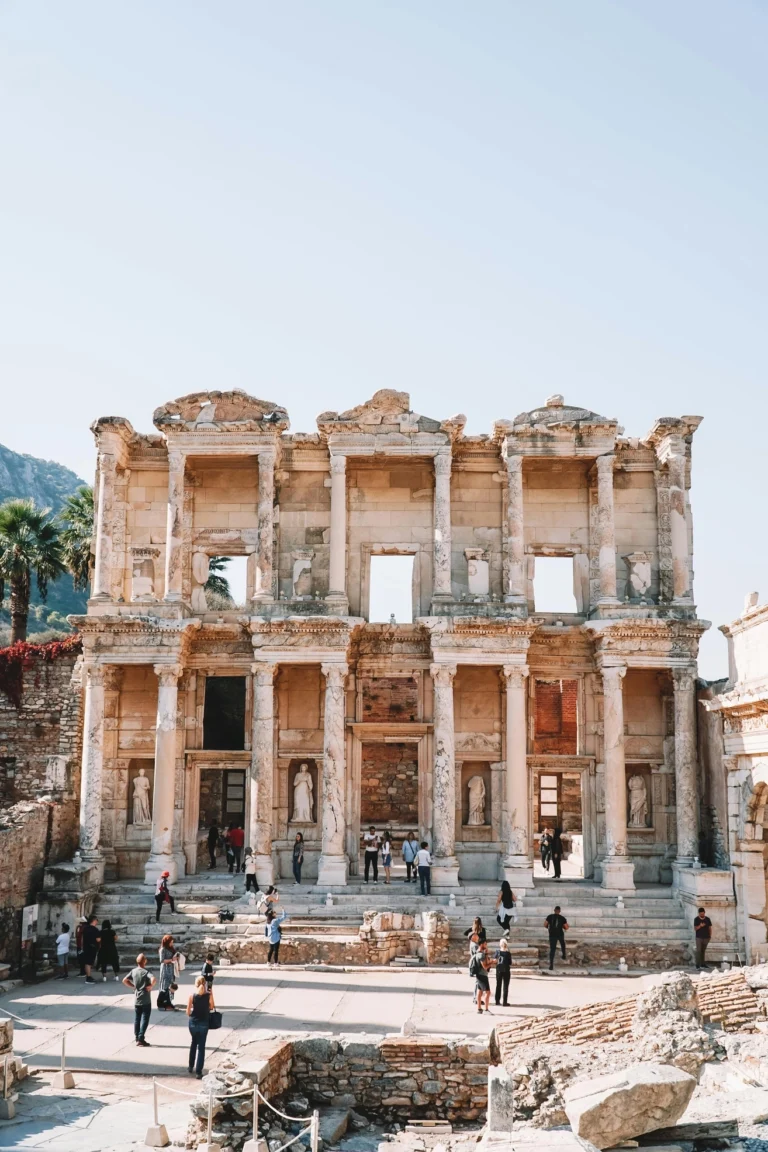
Ephesus and Pamukkale in One Trip: How to Plan It
A practical guide to visiting Ephesus and Pamukkale in one trip, including how many days you need, route order, overnight stays and one-day options.
Read moreNext steps
Continue Planning Your Turkey Trip
Explore practical destination guides, airport routes, itineraries, and travel planning advice.