
Travel Planning
Is Pamukkale Worth Visiting? A Practical Guide for First-Time Visitors
 By Ayfer Selci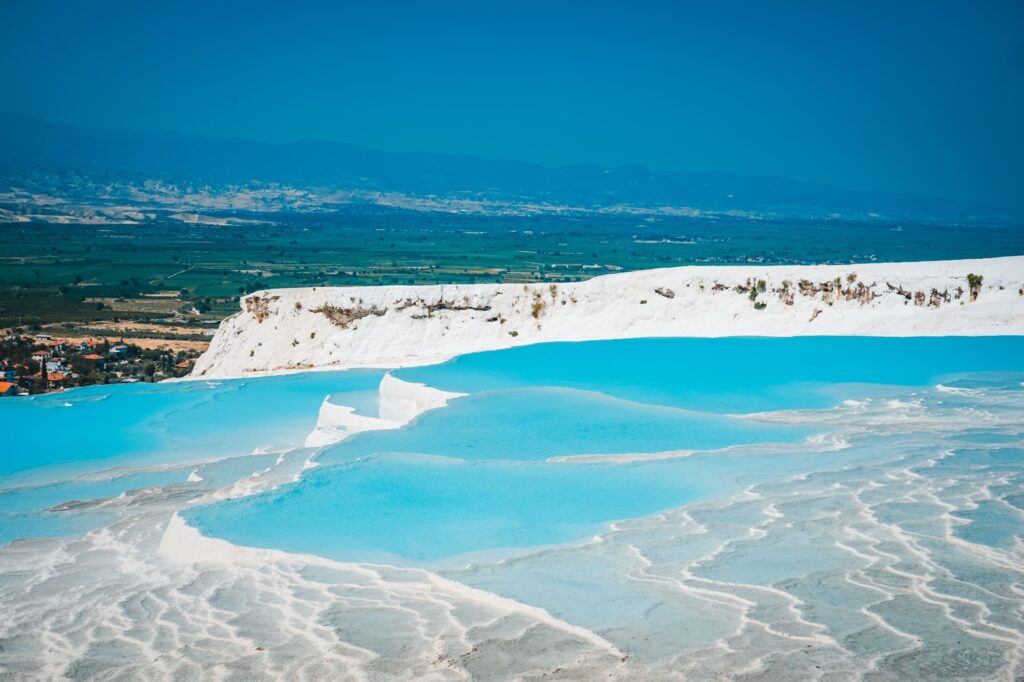
This article may contain affiliate links. We may earn a commission if you book or purchase through them, at no extra cost to you.
Pamukkale is one of the most photographed places in Turkey, but it is also one of the places travelers question the most. Some people see the white terraces and immediately want to add it to their itinerary. Others wonder if it is too touristy, too far away, or not as beautiful in real life as it looks online.
My honest answer is this: Pamukkale is worth visiting if you plan it with realistic expectations. It is not only a place for photos, and it is not just about the white travertines. The real value of Pamukkale comes from the combination of the travertine terraces, Hierapolis Ancient City, thermal water, and the unusual landscape.
But Pamukkale can disappoint visitors who expect empty white pools, perfect blue water everywhere, and a quiet natural spa atmosphere. It is a popular site, and some sections may be dry or closed for protection. If you know this before you go, the visit makes much more sense.
Quick Answer: Is Pamukkale Worth Visiting?
Yes, Pamukkale is worth visiting for most first-time travelers, especially if your route already includes Ephesus, Kusadasi, Selcuk, Denizli, or western Turkey.
It is most rewarding when you visit both the travertines and Hierapolis Ancient City. The white terraces are the famous part, but Hierapolis gives the visit more meaning. Without the ancient city, Pamukkale can feel like a short photo stop.
Pamukkale may not be worth a major detour if you have very limited time and your trip is only Istanbul and Cappadocia. But if you are following a classic Turkey route with Ephesus and Pamukkale, it usually deserves a place in the itinerary.
What Makes Pamukkale Special?
Pamukkale is known for its white travertine terraces, formed by mineral-rich thermal water. From a distance, the hillside really does look unusual, almost like snow or cotton. That is where the Turkish name “Pamukkale,” meaning “Cotton Castle,” comes from.
But the site is not only natural. At the top of the travertines is Hierapolis, an ancient city that was known for its thermal waters. This makes Pamukkale more interesting than a simple viewpoint. You are not only seeing a landscape; you are also walking through the remains of an ancient spa city.
This mix of nature and history is the main reason Pamukkale is worth visiting.
Why Some Travelers Feel Disappointed
Pamukkale is beautiful, but it is not always exactly like the photos. Some online images are heavily edited, and many travelers expect every pool to be full of bright blue water. In reality, water levels can change, some sections may be dry, and access is controlled to protect the travertines.
Crowds are another reason people feel disappointed. Pamukkale is not a hidden place. It is one of Turkey’s best-known attractions, so it can be busy, especially in high season and during the middle of the day.
The visit also feels weaker if it is rushed. If you only stop for quick photos and skip Hierapolis, you may leave thinking, “Was that all?” But if you give yourself enough time to walk the site, see the theatre, and understand the ancient city, the experience becomes much better.
What Should You See in Pamukkale?
The main things to see are the travertines and Hierapolis Ancient City.
The travertines are the white terraces everyone comes to see. Visitors walk barefoot on the allowed sections to protect the surface. The ground can be slippery and uneven, so it is better to walk slowly.
Hierapolis is the ancient city above the terraces. The theatre is one of the most impressive parts of the site, and it is worth seeing if you have enough time and energy. You can also see ancient streets, baths, gates, tombs, and other ruins.
Cleopatra’s Pool, also called the Antique Pool, is another popular stop. It usually requires an extra fee. Some visitors enjoy swimming there, while others prefer to focus on the travertines and ruins. It is nice to have, but not essential for everyone.
How Much Time Do You Need in Pamukkale?
For a basic visit, a few hours can be enough. This gives you time to walk on the travertines, see some of Hierapolis, and take photos.
For a better visit, I would allow half a day. This gives you a more relaxed pace and enough time to see the main parts of the ancient city without rushing.
An overnight stay is not always necessary, but it can make the visit easier. If you stay nearby, you may visit earlier or later in the day and avoid the busiest hours. This is especially helpful in summer.
Is Pamukkale a Tourist Trap?
I would not call Pamukkale a tourist trap. It is a real natural and historical site with genuine value. But it can feel touristy if you visit with the wrong expectations.
Pamukkale is popular, organized, and visited by many groups. That does not make it fake or unworthy. It just means you should not expect a quiet hidden paradise.
For me, the mistake is not visiting Pamukkale. The mistake is visiting it only for a photo and ignoring Hierapolis.
Is Pamukkale Worth Visiting from Istanbul?
Pamukkale can be visited from Istanbul, but I would not treat it as a casual day trip. It requires serious travel time, whether by flight, road, or a planned tour.
If you only have a few days in Turkey, going from Istanbul to Pamukkale and back may make your trip too rushed. Pamukkale works better as part of a wider route, especially with Ephesus, Kusadasi, Selcuk, or Cappadocia.
So yes, it can be worth it from Istanbul, but only if your itinerary has enough time for it.
Is Pamukkale Worth Visiting with Ephesus?
Yes, Pamukkale works very well with Ephesus. This is one of the most logical combinations in western Turkey.
Ephesus gives you one of the strongest ancient city experiences in the country. Pamukkale adds a completely different landscape and the ruins of Hierapolis. Together, they create a good balance of history, nature, and classic Turkey sightseeing.
The important point is not to underestimate the travel time between them. Ephesus and Pamukkale are often shown together in itineraries, but they are not next to each other. The route should be planned properly.
Who Will Enjoy Pamukkale Most?
Pamukkale is a good choice if you enjoy unusual landscapes, ancient ruins, UNESCO-style heritage sites, photography, or thermal water. It is also a strong stop for travelers who want to see more than Istanbul and Cappadocia.
It is especially worthwhile if you are already in western Turkey. If you are visiting Ephesus, Kusadasi, Selcuk, or Denizli, Pamukkale fits the route much more naturally.
Who Might Skip Pamukkale?
Pamukkale may not be essential if you have very limited time, dislike crowded tourist sites, or do not want to spend several hours traveling inland.
If you only have five or six days in Turkey, I would not automatically force Pamukkale into the itinerary. Istanbul and Cappadocia alone can already fill a short trip.
You may also skip it if your only expectation is to see perfect empty pools like in edited photos. Pamukkale is beautiful, but it is a real place with crowds, rules, dry sections, and changing water levels.
Ayfer’s Practical Advice
Pamukkale is worth visiting, but it needs the right expectations.
Do not go only because of one perfect photo. Go because you want to see a rare natural landscape together with an ancient city. Give yourself enough time for both the travertines and Hierapolis, and do not rush the visit if you can avoid it.
If your route already includes Ephesus, Kusadasi, Selcuk, or Denizli, I would usually include Pamukkale. If your route is only Istanbul and Cappadocia and your time is short, I would think more carefully before adding it.
Pamukkale is not the easiest place to fit into every Turkey itinerary, but when it fits the route well, it can be one of the most memorable stops.
Ayfer’s Final Advice
So, is Pamukkale worth visiting?
Yes, for most first-time visitors, it is. But it is worth visiting as a full natural and historical site, not only as a photo stop.
The best experience comes when you allow enough time, visit Hierapolis as well as the travertines, and understand that the site may be busy or look different from edited photos.
Pamukkale is not perfect, but it is distinctive. If you plan it well, it can add something very special to your Turkey trip.
FAQ About Visiting Pamukkale
Is Pamukkale worth visiting?
Yes, Pamukkale is worth visiting if you are interested in unusual landscapes, ancient ruins, thermal water, and classic Turkey sightseeing. It is especially worthwhile when visited together with Hierapolis.
Is Pamukkale overrated?
Pamukkale can feel overrated if you expect empty terraces and perfect blue pools everywhere. However, with realistic expectations and enough time for Hierapolis, it is much more rewarding.
How much time do you need in Pamukkale?
A few hours is enough for a basic visit, but half a day is better. An overnight stay can help if you want a calmer visit or better timing.
Can you visit Pamukkale and Ephesus together?
Yes. Pamukkale and Ephesus work well together in a western Turkey itinerary, but they are not next to each other. The route should be planned carefully.
Is Pamukkale worth visiting from Istanbul?
Pamukkale can be worth visiting from Istanbul if you have enough time, but it is not a simple short day trip. It works better as part of a wider Turkey route.
Is one day enough for Pamukkale?
Yes, one day is enough for most visitors if transport is well planned. You can see the travertines and the main parts of Hierapolis in one day.
Do you need to stay overnight in Pamukkale?
No, you do not have to stay overnight. But staying nearby can make the visit less rushed and help you avoid the busiest hours.
Is Pamukkale good for families?
Pamukkale can be good for families, but the site involves walking, sun exposure, slippery areas, and uneven surfaces. Comfortable pacing is important.
Related guides
Related Guides
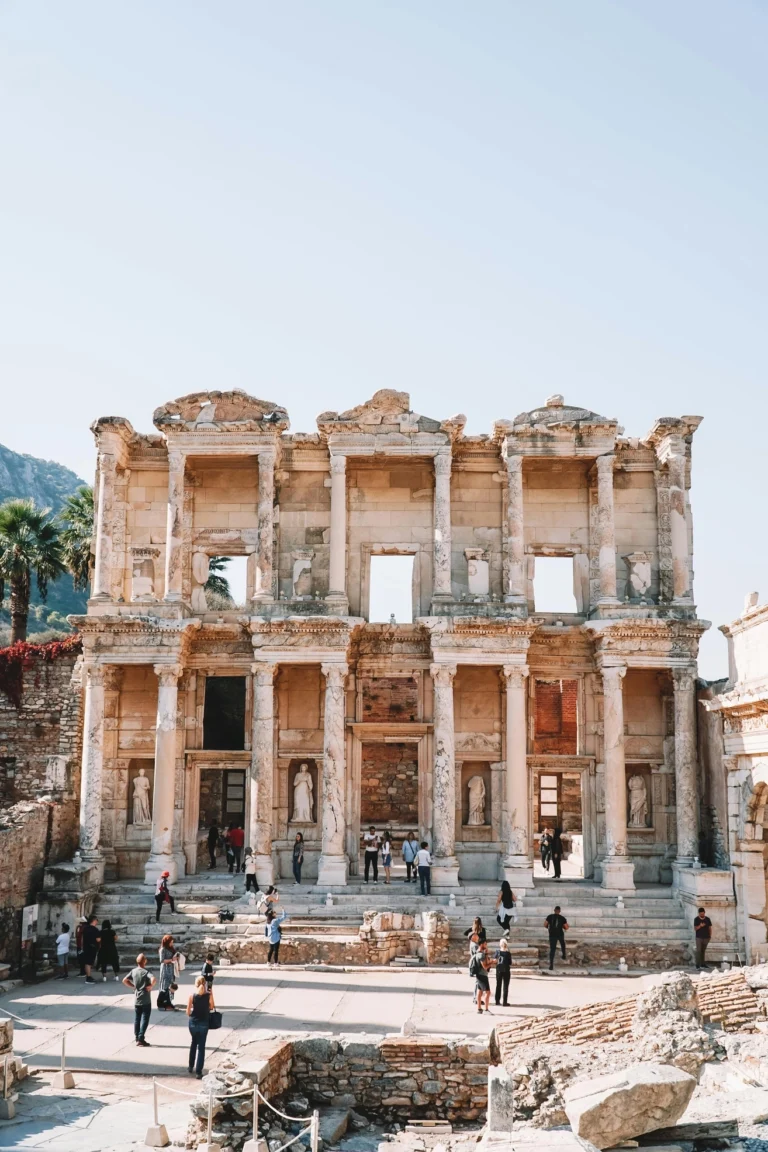
Ephesus and Pamukkale in One Trip: How to Plan It
A practical guide to visiting Ephesus and Pamukkale in one trip, including how many days you need, route order, overnight stays and one-day options.
Read more
10 Days in Turkey Itinerary
Ten days in Turkey is a very good amount of time for a first trip. You still cannot see everything. Turkey is a large…
Read more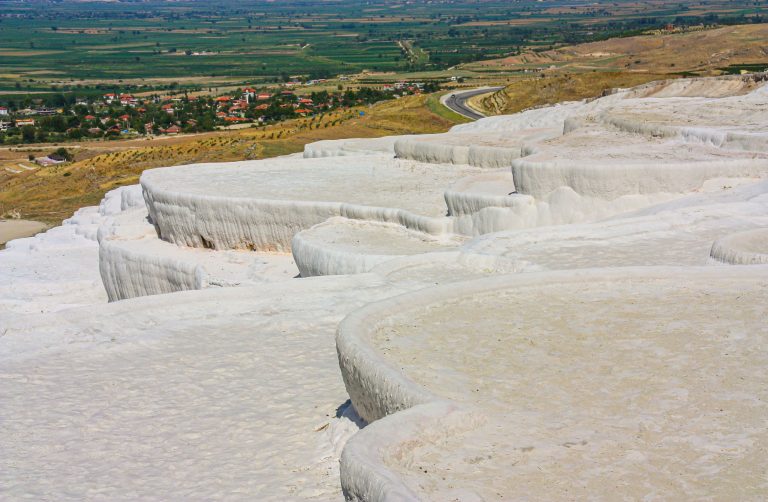
Pamukkale Travel Guide
Pamukkale is one of the most recognizable places in Turkey, but it is often misunderstood. Many travelers imagine it as a quick photo stop:…
Read moreNext steps
Continue Planning Your Turkey Trip
Explore practical destination guides, airport routes, itineraries, and travel planning advice.